Masada, a towering plateau in the Judean Desert overlooking the Dead Sea, stands as a dramatic symbol of Jewish resilience and Roman dominance. Originally fortified by Herod the Great in the 1st century B.C., Masada served as a royal refuge complete with palaces, storerooms, cisterns, and defensive walls. During the First Jewish Revolt (66-73 A.D.), it became the final stronghold of Jewish rebels—known as the Sicarii—who fled there after Jerusalem’s destruction. According to the historian Josephus, when the Romans breached the fortress after a prolonged siege, the defenders chose mass suicide over surrender, leaving behind a tragic yet defiant legacy.
Archaeological excavations have confirmed much of Josephus’s account, uncovering Herod’s elaborate constructions, Roman siege camps, and even the lots possibly used in the final act of collective death. Although Masada is not mentioned in the Bible, it vividly illustrates the political and spiritual tensions of the 1st century—a time that also shaped the world of the New Testament. For Bible students, Masada offers insight into the desperation and determination of a people under occupation, and stands as a silent witness to the consequences of rebellion, the complexities of messianic expectation, and the hope of ultimate deliverance that only God can provide.
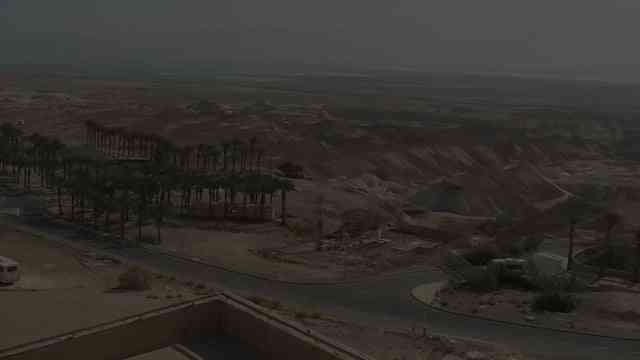

Masada, a towering plateau in the Judean Desert overlooking the Dead Sea, stands as a dramatic symbol of Jewish resilience and Roman dominance. Originally fortified by Herod the Great in the 1st century B.C., Masada served as a royal refuge complete with palaces, storerooms, cisterns, and defensive walls. During the First Jewish Revolt (66-73 A.D.), it became the final stronghold of Jewish rebels—known as the Sicarii—who fled there after Jerusalem’s destruction. According to the historian Josephus, when the Romans breached the fortress after a prolonged siege, the defenders chose mass suicide over surrender, leaving behind a tragic yet defiant legacy.
Archaeological excavations have confirmed much of Josephus’s account, uncovering Herod’s elaborate constructions, Roman siege camps, and even the lots possibly used in the final act of collective death. Although Masada is not mentioned in the Bible, it vividly illustrates the political and spiritual tensions of the 1st century—a time that also shaped the world of the New Testament. For Bible students, Masada offers insight into the desperation and determination of a people under occupation, and stands as a silent witness to the consequences of rebellion, the complexities of messianic expectation, and the hope of ultimate deliverance that only God can provide.